Nitrous Today vs. Nitrous in 2001
Twenty-five years ago, nitrous was already making serious power. What changed was everything surrounding the hit: smarter activation, better pressure management, improved distribution, real safeguards, accessible data, and hardware engineered for modern combinations.
See the modern hardware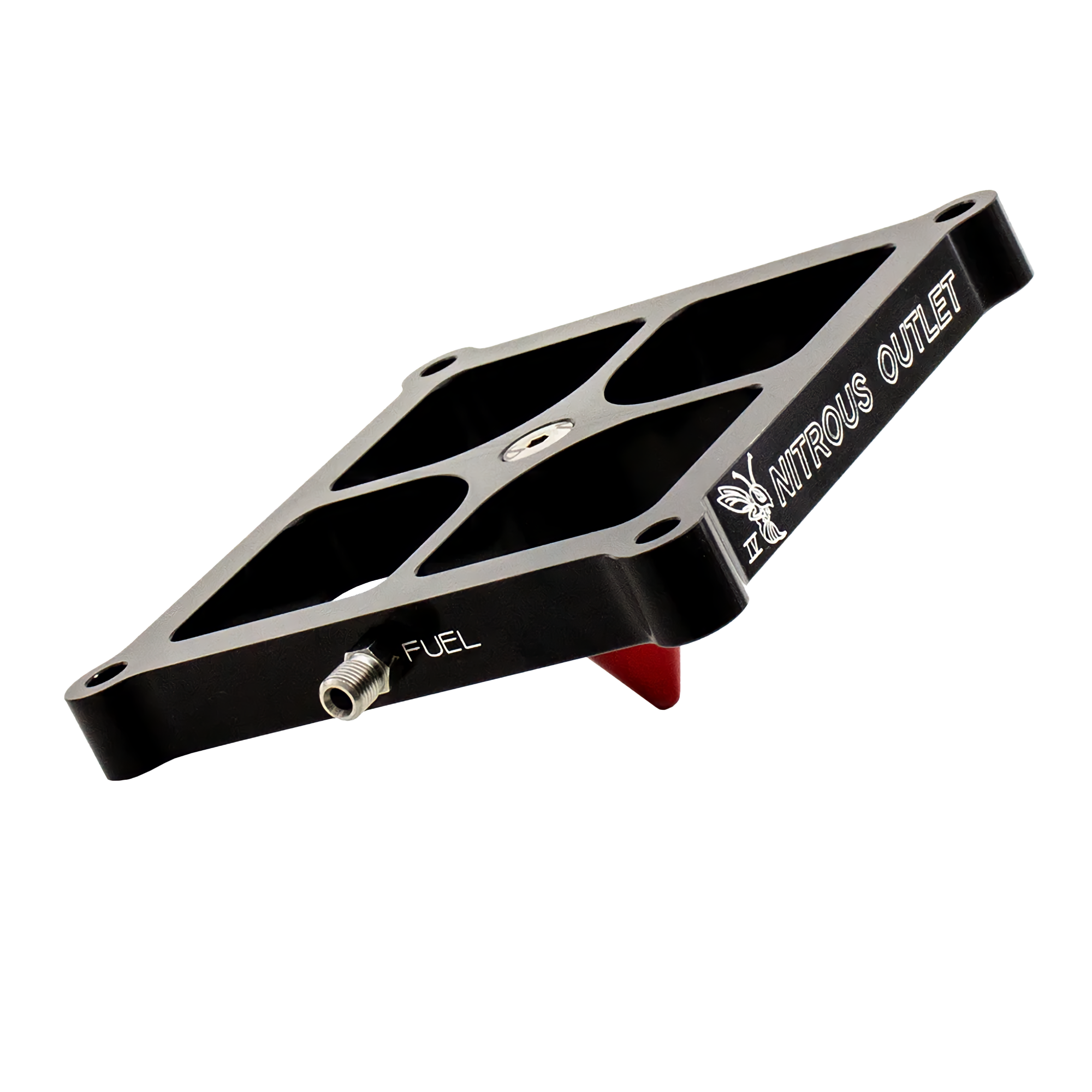
The Bottle Was Never The Villain
Say “nitrous” around enough car people and somebody will tell a story about a piston that left the chat in 2001. The story usually blames the bottle. It rarely mentions the lean fuel system, uncontrolled bottle pressure, wrong jetting, too much timing, low-RPM activation, or the driver who armed the system and hoped for the best.
Nitrous oxide still follows the same chemistry today: it carries additional oxygen into the combustion process, allowing the engine to burn additional fuel and create more cylinder pressure. The science did not suddenly become safe in 2026. The way racers control, monitor, distribute, and tune that power became dramatically better.
To give the old school its credit: quality plate systems, direct-port setups, progressive controllers, pressure switches, and experienced tuners existed in 2001. The difference is that many of today’s control and monitoring features are more capable, easier to program, and better matched to electronic-throttle vehicles and modern engine management.
Then vs. Now: What Actually Changed?
Mechanical, effective, less forgiving
- Activation was often based on a basic arming circuit and mechanical wide-open-throttle switch.
- A hard, immediate hit was common when no progressive control was used.
- Pressure checks frequently happened at the bottle instead of from the driver’s seat.
- EFI tuning and data acquisition were less accessible to the average enthusiast.
- Many failures blamed on “nitrous” were really fuel, ignition, installation, or calibration failures.
Programmable, visible, repeatable
- TPS and RPM windows can determine exactly when the system is allowed to activate.
- Progressive controllers can ramp power instead of slamming the tire with the full shot.
- Fuel-pressure switches can shut the nitrous side down when fuel pressure is unsafe.
- Pressure-controlled heaters and in-car gauges improve pass-to-pass consistency.
- Datalogging lets racers study what happened instead of diagnosing by rumor and spark-plug confetti.
| System Area | Typical 2001 Experience | Modern Nitrous Outlet Approach |
|---|---|---|
| Activation | Arm switch plus a basic WOT trigger was common. | The WinMax can use TPS and RPM activation, control one or two stages, provide gear lockouts, and deactivate before the limiter. |
| Power delivery | The full selected shot could arrive at once, demanding traction immediately. | The ProMax can progressively ramp one or two channels, store multiple tuneups, and datalog system activity. |
| Bottle pressure | Manual heating and bottle-mounted gauge checks made consistency more dependent on the crew. | A pressure-controlled X-Series heater and digital gauge help the racer manage and monitor pressure deliberately. |
| Fuel protection | A fuel problem might not be recognized until the engine showed it. | A properly selected fuel-pressure safety switch can interrupt nitrous activation when pressure falls below the configured safe point. |
| Distribution | Generic or poorly matched plates could make distribution problems worse. | Purpose-engineered plate and direct-port options let racers match discharge strategy and flow capability to the intake and power goal. |
| Tuning support | Knowledge often lived in a notebook, a shop, or one experienced racer’s head. | Published jetting charts, flow data, wiring diagrams, installation guides, and technical support make the process more repeatable. |
The Biggest Upgrade Is Not Horsepower. It Is Authority.
A fixed jet tells the system how much it can flow. A modern controller helps decide when that power arrives and how aggressively it comes in. That matters because the engine is only one part of the combination. The tire, track, gear, converter, clutch, suspension, and driver all have to accept the hit.
The Nitrous Outlet WinMax can use throttle-position and engine-speed inputs to keep activation inside a programmed window. The ProMax Progressive Controller goes further with progressive delivery, dual-channel control, multiple stored tuneups, ignition-retard outputs, and datalogging.
That is the modern difference in one sentence: instead of asking the motor to survive whatever the button commands, the system can be configured to deliver power only under the conditions the tuner approves.
Pressure Is Not a Guessing Game Anymore
Bottle pressure affects nitrous flow. If pressure moves, the system can behave differently—even when the jets never changed. That is why “same setup” does not always mean “same hit.” Temperature, bottle condition, plumbing, and pressure management matter.
A Nitrous Outlet X-Series pressure-controlled bottle heater can cycle based on the selected pressure setting, while a digital nitrous pressure gauge lets the driver see pressure without climbing into the trunk or hatch. A purge system can clear gaseous nitrous from the feed line before activation, improving response and consistency.
Modern Safety Parts Do Not Replace A Real Tune
Technology can prevent certain bad conditions, but it cannot make a careless combination bulletproof. A fuel-pressure safety switch is a perfect example: when correctly selected and installed, it can disable nitrous if fuel pressure drops below the chosen threshold. That can protect against one of the ugliest wet-system failure paths—a nitrous event without the fuel delivery the tune expects.
But no switch can correct the wrong fuel, weak ignition components, excessive timing, incorrect plug heat range or gap, clogged filters, poor wiring, incorrect jetting, inadequate engine condition, or a system installed without following the instructions. Today’s hardware gives a knowledgeable racer more ways to prevent, detect, and diagnose trouble. It does not repeal physics.
Is Nitrous Safer Today Than It Was in 2001?
A properly engineered modern system can be more controlled, more consistent, and easier to protect than the average street setup from 2001. That is not because the nitrous molecule changed. It is because the racer can now manage more of the conditions surrounding it.
The right conclusion is not “new nitrous cannot hurt an engine.” Any power adder can expose a weak combination or destroy parts when the tune is wrong. The right conclusion is this: modern racers have far better tools to decide when the power turns on, how quickly it arrives, whether fuel pressure is present, what bottle pressure the system sees, and what happened during the run.
In 2001, nitrous built its reputation on the violence of the hit. Today, the best systems build their reputation on how cleanly, intelligently, and repeatedly they deliver it.
Build the 2026 Version
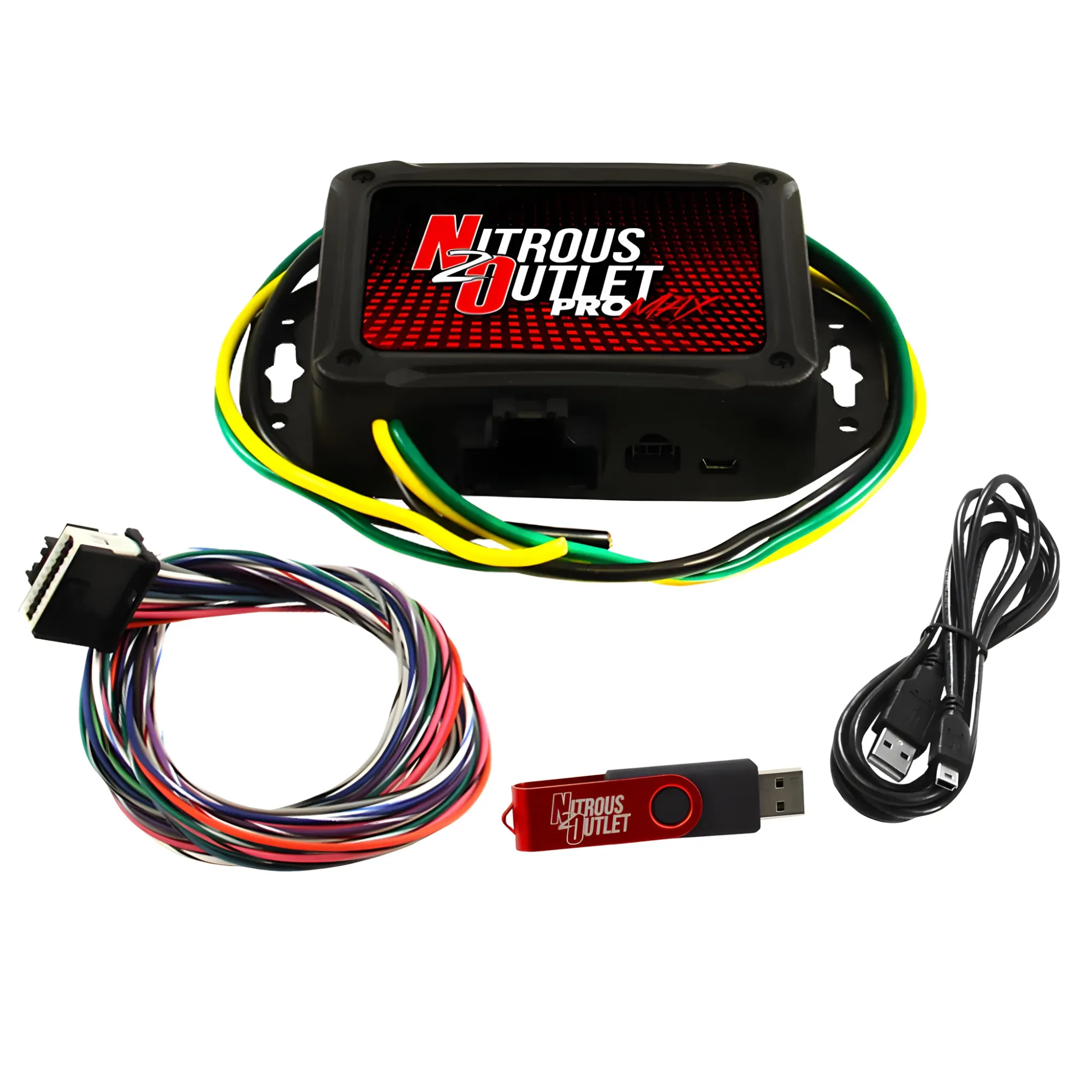
ProMax Progressive Controller
Progressive dual-channel delivery, stored tuneups, timing-retard outputs, and datalogging for racers who want to shape the hit.
View ProMax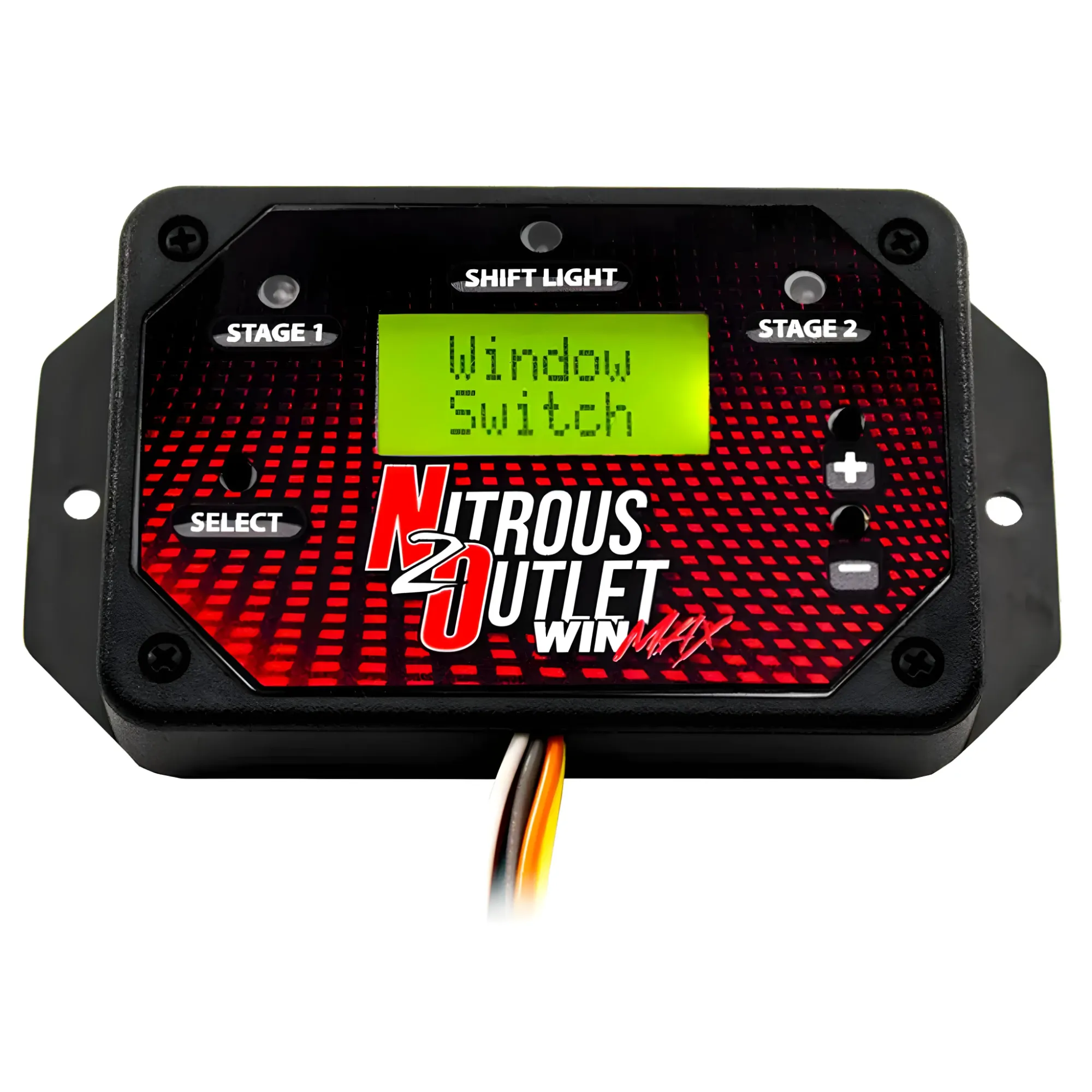
WinMax Window Switch
TPS and RPM-based activation, single- or dual-stage control, and programmable gear lockouts for smarter system authority.
View WinMax
X-Series Bottle Heater
Pressure-controlled bottle heating helps keep system pressure more consistent as track and weather conditions change.
View Bottle Heater
Digital Pressure Gauge
Monitor nitrous pressure from the driver’s seat and stop treating bottle conditions like a mystery.
View Gauge
Fuel-Pressure Safety Switch
A correctly matched high- or low-pressure switch can shut down nitrous activation if fuel pressure becomes unsafe.
View Safety Switch
Modern Nitrous Systems
Choose an application-specific plate, nozzle, puck, direct-port, or specialty system built around the intake and power target.
Shop Nitrous Systems